Beyond Mars and Venus: The Real Science of Brain Differences Between Genders
Hi Reader,
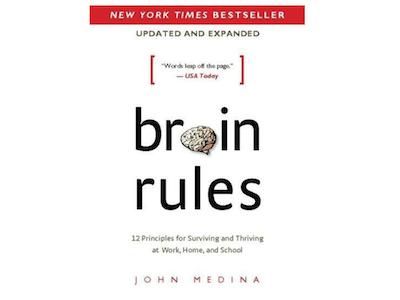
💡 Today’s Niblit: In “Brain Rules,” John Medina explores the neurological differences between male and female brains, moving beyond stereotypes to reveal fascinating insights about how our brains develop and function differently.
🔑 Key Insight: Male and female brains show measurable differences in structure, chemistry, and function. These differences begin at the genetic level with the X and Y chromosomes and influence everything from stress responses to communication patterns. However, these are statistical trends across populations, not predictors of individual capabilities.
Imagine two different operating systems running on similar hardware. Both are incredibly sophisticated and capable, but they process information and respond to challenges in subtly different ways. One might excel at multitasking while the other shows superior focus under pressure. Neither is superior — they’re simply optimized for different strengths.
Why does this matter? Understanding these differences isn’t about reinforcing stereotypes or limiting potential. Instead, it’s about appreciating the diverse ways human brains can approach problems and leveraging these differences as complementary strengths in teams, relationships, and society.
🦉 Nibble of Wisdom: Brain differences aren’t about better or worse, they’re about the beautiful diversity of human cognitive approaches.
🛠️ Practical Tip: In team settings, consciously seek out diverse perspectives and approaches to problem-solving, recognizing that different brains may offer unique insights.
🚀 Quick Action: Think about a recent challenge you faced. How might someone with a different thinking style have approached it? Consider reaching out to a colleague or friend to get their perspective on the same issue.
🔍 Further Exploration:
Explore the concept of neuroplasticity and how our brains can adapt and change regardless of our starting point.
Reflect on your own thinking patterns and consider how they might complement those of people who think differently than you.
Consider how understanding brain differences might improve collaboration in your workplace or personal relationships.
🎬 Wrapup: Remember, celebrating brain differences isn’t about creating divisions, it’s about recognizing the incredible range of human cognitive abilities. By appreciating these differences, we can build stronger teams, better relationships, and a more inclusive understanding of human potential.