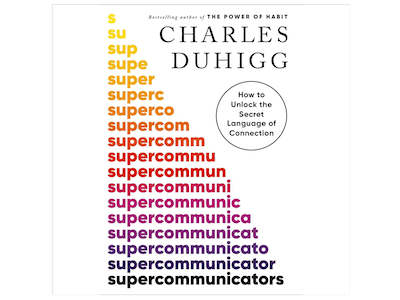
💡 Today’s Niblit: In “Supercommunicators,” Charles Duhigg reveals the interesting science of emotional contagion—the phenomenon where we automatically “catch” the emotions of those around us. This invisible force shapes our conversations more profoundly than the words we speak.
🔑 Key Insight: Emotions spread between people like a biological WiFi signal, operating largely outside our awareness. Research shows that when we’re in deep conversation, our heart rates align, our breathing synchronizes, and even our brain waves fall into matching patterns.
Picture two strangers sitting across from each other at a coffee shop. One begins sharing a personal story, their voice trembling slightly. Imperceptibly, the listener’s body begins mirroring these emotional signals—pulse quickening, facial expressions subtly matching, stress hormones rising or falling in tandem. This synchronization happens automatically, creating a biological bridge between their nervous systems.
Why does this matter? Understanding emotional contagion gives us extraordinary influence in conversations. By deliberately sharing appropriate vulnerability, we create opportunities for others to connect with us at a deeper level, building trust through this natural neurological response.
🦉 Nibble of Wisdom: The emotions you bring to a conversation become the emotional climate for everyone involved.
🛠️ Practical Tip: When trying to connect with someone, pay attention to their energy level and emotional tone—whether they’re subdued, enthusiastic, or anxious—and gently match it to create synchronization.
🚀 Quick Action: In your next important conversation, consciously share something slightly vulnerable and notice how it changes the emotional dynamics—does the other person reciprocate with their own disclosure?
🔍 Further Exploration:
Reflect on times when you’ve “caught” someone else’s emotion—perhaps feeling anxious when talking to an anxious friend or energized after speaking with an enthusiastic colleague.
Explore how vagal tone affects our ability to regulate emotions during social interactions and recover from stress.
🎬 Wrapup: Emotional contagion isn’t just an interesting scientific concept—it’s a practical tool for creating more meaningful connections. By understanding that our emotions function like social currency, we can more intentionally create resonance with others. Remember, the best conversations aren’t just exchanges of information; they’re synchronized emotional experiences that leave both people feeling understood and valued.