The Hidden Power of Quiet Minds
Hi Reader,
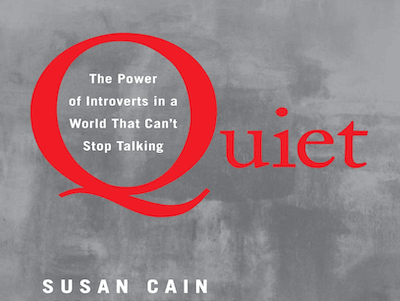
💡 Today’s Niblit: In “Quiet,” Susan Cain reveals the biological underpinnings of introversion and extroversion, showing how these traits shape our lives in profound ways. Understanding the science behind our temperaments can help us harness our strengths and navigate our world more effectively.
🔑 Key Insight: Introversion and extroversion are not just personality quirks, but deeply rooted physiological differences in how our brains process stimulation. Introverts generally have a higher baseline of arousal, meaning they are more easily stimulated by their environment.
This biological difference is like having a more sensitive volume knob on your internal experiences. While an extrovert might find a noisy party energizing, an introvert may feel overwhelmed by the same level of stimulation. It’s not that introverts dislike people or socializing; rather, their brains are processing sensory input more intensely.
This insight matters because it validates the experiences of introverts who often feel out of step in our extrovert-centric culture. It’s not a matter of “just getting over it” or “coming out of your shell” – introverts are responding to genuinely different internal experiences. Understanding this can lead to greater self-acceptance and more effective strategies for managing energy and stimulation.
🦉 Nibble of Wisdom: Your need for quiet is not a weakness, but a reflection of your brain’s unique wiring and processing style.
🛠️ Practical Tip: Pay attention to your energy levels in different environments. Notice when you feel energized versus drained. Use this awareness to create a better balance of stimulating and calming activities in your day.
🚀 Quick Action: Take 5 minutes right now to identify one “restorative niche” in your daily routine – a quiet, low-stimulation space where you can recharge. This could be a physical place like a cozy reading nook, or a time slot like a peaceful morning coffee ritual.
🔍 Further Exploration:
- Reflect on how understanding the biological basis of introversion/extroversion might change your self-perception or interactions with others.
- Consider how your workplace or school environment aligns with your stimulation needs. Are there small changes you could make to create a better fit?
- Explore the concept of “optimal arousal levels” and how it relates to your own experiences of comfort and productivity.
🎬 Wrapup: Remember, the goal isn’t to change your fundamental nature, but to understand and work with it more effectively. By recognizing the physiological basis of introversion and extroversion, we can move beyond judgment and towards strategies that allow everyone to thrive in their own way.
🔗 Links:
Tuning in to our inner frequencies,
Tom “comfortably quiet” Bernthal