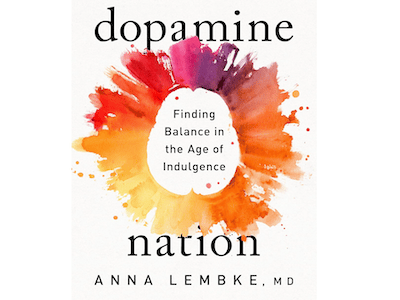
💡 Today’s Niblit: In “Dopamine Nation,” Dr. Anna Lembke reveals the brain’s pleasure-pain balance, a neurological seesaw that governs our behavior and mood. Understanding this balance is key to navigating our dopamine-flooded world.
🔑 Key Insight: Our brains process pleasure and pain in the same area, functioning like a balance. When we experience pleasure, the balance tips to one side, but then it automatically tips back towards pain as our brain seeks equilibrium.
This neurological seesaw explains why the pursuit of pleasure often leads to pain. It’s like eating a delicious slice of cake – the initial bite is heavenly, but by the end, you might feel slightly ill or guilty. This isn’t just psychological — it’s your brain’s built-in balancing act.
Why does this matter? In our world of abundant pleasures and easy dopamine hits, understanding this balance is foundational. It explains why we can feel empty after a social media binge or why drug tolerance develops. By recognizing this mechanism, we can make more informed choices about our behaviors and better manage our emotional well-being.
🦉 Nibble of Wisdom: What goes up must come down – even in our brains.
🛠️ Practical Tip: Next time you indulge in a pleasurable activity, consciously observe how you feel immediately after and then an hour later. Notice the “come down” effect.
🚀 Quick Action: Choose one highly pleasurable activity you regularly engage in (e.g., social media, snacking, video games). Abstain from it for 24 hours and journal about how you feel throughout the day.
🔍 Further Exploration:
Consider how the pleasure-pain balance might relate to the concept of hedonic adaptation, our tendency to return to a baseline level of happiness despite positive or negative life changes.
Reflect on a time when you’ve experienced a “crash” after a highly pleasurable experience. How does the pleasure-pain balance explain this?
Explore how this balance might apply to non-substance experiences, like romance or professional achievements.
🎬 Wrapup: Understanding the pleasure-pain balance gives us a powerful tool for self-regulation. By recognizing that every “up” has a corresponding “down,” we can make more mindful choices about our pursuits and better navigate the constant temptations of our dopamine-rich world.