How to Stop Getting Lied To (Yes, even your Mom does it)
Hi Reader,
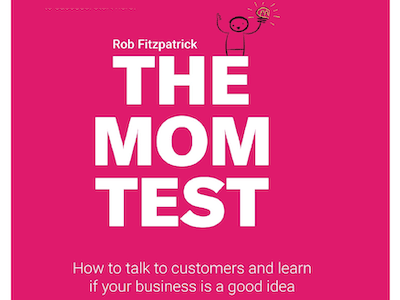
💡 Today’s Niblit: In “The Mom Test,” Rob Fitzpatrick reveals why everyone — even your mom — lies to you about your business ideas. It’s not malicious; it’s human nature. Your mom loves you and wants to be supportive, while others want to be nice or end the conversation quickly. The book shows how to bypass these well-meaning lies by asking questions so good that people can’t help but tell you the truth, even if they’re trying to be nice.
🔑 Key Insight: The fundamental flaw in most customer conversations is talking about your idea instead of their life. When you pitch your solution, people naturally shift into “feedback mode,” giving you polite compliments and hypothetical futures instead of real insights.
Think of it like being a detective instead of a salesperson. A good detective doesn’t announce their theories — they ask about what happened and piece together the truth themselves. Similarly, great customer conversations focus on understanding people’s lives, decisions, and behaviors rather than pitching ideas.
This matters because building a business on false positives is far more dangerous than hearing the harsh truth early. By mastering this approach, you’ll get authentic insights that can actually guide your business, rather than misleading compliments that feel good but lead nowhere.
🦉 Nibble of Wisdom: The best way to validate your idea is to never mention it at all.
🛠️ Practical Tip: Instead of asking “Would you use this?”, ask “How are you solving this today?”
🚀 Quick Action: Think of your current idea and write down three questions about your potential customers’ current behavior — without mentioning your solution. For example: “When was the last time you faced this problem?” or “What did you try to fix it?”
🔍 Further Exploration:
Consider how cognitive biases might be affecting your customer conversations
Reflect on past conversations where you received enthusiastic feedback but no follow-through
🎬 Wrapup: Remember, your goal isn’t to convince people your idea is great — it’s to understand their world so deeply that you can’t help but build something they need.