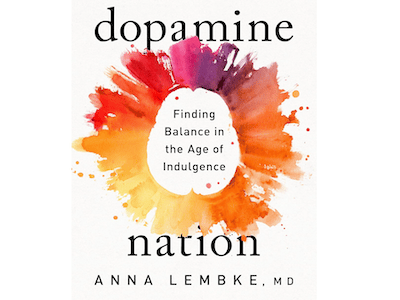
💡 Today’s Niblit: In “Dopamine Nation,” Dr. Lembke introduces the practice of “dopamine fasting” — a period of abstinence that can reset our overloaded reward systems and restore our capacity for joy.
🔑 Key Insight: Abstaining from pleasurable stimuli for about 30 days can reset the brain’s reward system, allowing us to break addictive cycles and regain sensitivity to simpler pleasures.
Think of your brain’s pleasure circuits like taste buds that have been overexposed to spicy food — eventually, nothing tastes flavorful unless it’s extremely hot. A period of abstinence is like cleansing your palate, allowing you to once again taste the subtle flavors in everyday foods.
This matters because many of us are stuck in cycles where we need increasingly extreme stimulation just to feel normal. Whether it’s social media, sugar, or streaming binges, a dopamine fast can break this cycle and help us rediscover joy in simpler experiences — a sunset, a conversation, or a quiet moment of reflection.
🦉 Nibble of Wisdom: Sometimes the path to greater pleasure requires a period of voluntary restraint.
🛠️ Practical Tip: Start small with a 24-hour fast from a problematic behavior before attempting a longer reset.
🚀 Quick Action: Choose one high-dopamine activity that you suspect might be dulling your enjoyment of other experiences. Commit to abstaining from it for just three days, and note how your cravings and overall mood change.
🔍 Further Exploration:
Explore the fascinating concept of anhedonia, the reduced ability to feel pleasure that often follows periods of excessive stimulation.
Consider how different cultures incorporate fasting and abstinence into their traditions.
Think about which areas of your life might benefit most from a reset.
🎬 Wrapup: The dopamine fast isn’t about permanent deprivation — it’s about liberation. By temporarily stepping away from overwhelming stimulation, we create space for our natural reward systems to recalibrate, ultimately leading to a richer, more balanced experience of life’s pleasures.