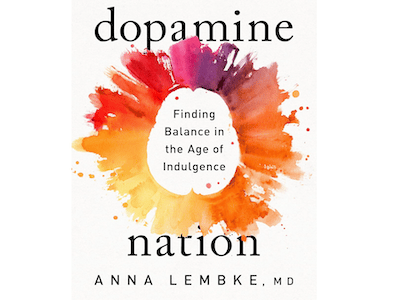
💡 Today’s Niblit: In her book, Dopamine Nation, Dr. Lembke says that one of the most powerful tools for combating compulsive behaviors is also one of the oldest: self-binding. Like Odysseus tying himself to the mast so he could physically resist the lure of the Sirens, we can create barriers between ourselves and our temptations.
🔑 Key Insight: Self-binding means intentionally creating barriers between ourselves and our ”drug of choice” in order to prevent compulsive use. The key is to bind ourselves while we still have the capacity for voluntary choice, before the compulsion takes over.
Imagine packing your gym clothes the night before, making it easier to exercise in the morning. That’s positive self-binding. Or think of someone who gives their credit cards to a spouse to prevent impulsive shopping. That’s negative self-binding. These aren’t admissions of weakness. They’re acts of wisdom that work with our brain’s tendencies instead of against them.
This matters because willpower alone often fails us in the moment of temptation. By creating physical, chronological, or categorical barriers to our problem behaviors, we give our better judgment a fighting chance when our self-control wavers.
🦉 Nibble of Wisdom: The best decisions are made before desire strikes.
🛠️ Practical Tip: Use the “tomorrow test.” Set up a barrier today to protect tomorrow’s self from today’s weaknesses (see next section for examples).
🚀 Quick Action: Choose one temptation you struggle with. Set up a barrier today to protect tomorrow’s self from today’s weaknesses.
For example, if you find yourself mindlessly scrolling social media on weeknights, right now set your phone’s “Do Not Disturb” to activate every night from 8pm to 6am starting tomorrow. This creates a barrier between you and late-night scrolling before the temptation strikes tomorrow evening.
Or, if you tend to hit snooze repeatedly every morning, tonight before bed, place your alarm clock across the room (and maybe even put your workout clothes next to it). This simple barrier prevents you from rolling over tomorrow morning and makes starting your day easier when willpower is weakest.
Other ideas: change your social media favorites or other time-wasting apps like games to be less accessible (move them off your home screen or into a folder somewhere), put snacks in the back of the pantry behind less tempting foods, or add a website blocker for time-wasting sites. Make it just difficult enough to require extra thought.
🔍 Further Exploration:
Learn about commitment devices, formal tools that help us stick to goals by imposing costs on giving up.
Reflect on which type of self-binding strategy works best for you: physical, chronological, or categorical.
Consider how your environment might be unconsciously “binding” you in both helpful and harmful ways.
🎬 Wrapup: Self-binding isn’t about weakness—it’s about wisdom. By acknowledging our human limits and creating smart barriers, we give ourselves the best chance to live according to our values rather than our impulses.