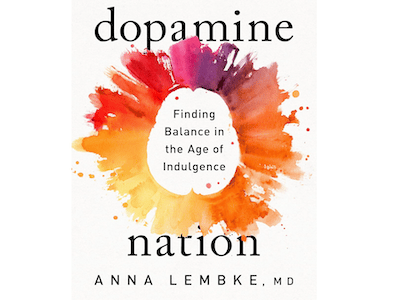
💡 Today’s Niblit: In “Dopamine Nation,” Dr. Anna Lembke explores neuroadaptation, the brain’s remarkable ability to adjust to stimuli. This process explains why we often need more of something to feel the same effect over time.
🔑 Key Insight: Neuroadaptation, also known as tolerance, occurs when our brain adjusts to repeated exposure to pleasurable stimuli. As a result, we require more stimulation to achieve the same effect, potentially leading to addiction.
Imagine you’re at a loud concert. At first, the volume is overwhelming, but after a while, it seems normal. That’s neuroadaptation in action. The same principle applies to drugs, social media likes, or even your favorite foods. The first experience is intense, but over time, the thrill diminishes.
This matters because neuroadaptation is a key driver of addictive behaviors. As we need more stimulation to feel good, we may find ourselves consuming more, seeking stronger versions, or branching out to new stimuli. Understanding this process can help us recognize when we’re slipping into problematic patterns.
🦉 Nibble of Wisdom: What once excited us can become our new normal, leaving us always chasing the next high.
🛠️ Practical Tip: Regularly take breaks from highly stimulating activities to prevent tolerance. This could mean a day off social media, a week without your favorite snack, or a month without alcohol.
🚀 Quick Action: Identify one pleasurable activity you engage in daily. Reduce your engagement with it by half for the next week and note any changes in your enjoyment or craving levels.
🔍 Further Exploration:
Learn about the opponent process theory, which explains how our brains maintain equilibrium in the face of emotional or physiological extremes.
Consider how neuroadaptation might apply to non-substance experiences, like thrill-seeking behaviors or romantic relationships.
Reflect on a time when you’ve experienced diminishing returns from a once-enjoyable activity. How might you have reversed this process?
🎬 Wrapup: Neuroadaptation is a double-edged sword. While it helps us adjust to new environments, it can also drive us towards excess. By understanding this process, we can be more mindful of our consumption habits and take proactive steps to maintain sensitivity to life’s pleasures.