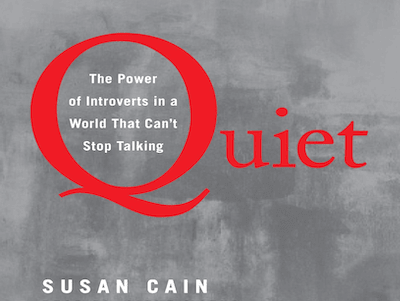
💡 Today’s Niblit: In her book “Quiet,” Susan Cain offers insights for parents and educators on how to nurture introverted children, helping them thrive in an extrovert-centric educational system while developing their natural talents and quiet confidence.
🔑 Key Insight: Introverted children often possess remarkable gifts—deep thinking, creativity, empathy, and focus—yet our educational system frequently misinterprets these traits as problems to fix rather than strengths to nurture.
Consider the classic classroom scenario: a thoughtful child who rarely raises her hand but writes insightful essays is often seen as “underperforming” in class participation, while the quick-to-speak student receives praise regardless of the depth of their contributions. This isn’t just a matter of comfort—it fundamentally misunderstands how different children process information and express their intelligence.
This matters because how we respond to children’s introversion shapes not just their academic experience but their self-concept and future potential. When we reframe introversion as a different way of engaging rather than a deficit, we help these children develop confidence in their natural strengths while still acquiring necessary social skills.
🦉 Nibble of Wisdom: “The typical comment on many children’s report cards is, ‘I wish Molly would talk more in class,’ but here we have an understanding that many kids are introspective. We try to bring them out, but we don’t make it a big deal.” — Pat Adams, former head of the Emerson School for gifted students
🛠️ Practical Tip: Give introverted children time to prepare before situations requiring social interaction. Advance notice about class discussions or social events can dramatically reduce anxiety and improve participation.
🚀 Quick Action: Identify one quiet child in your life (your own child, a student, a niece or nephew) and take 5 minutes to write down three specific strengths you’ve noticed about their introversion. This weekend, share these observations with them in a simple, genuine way.
🔍 Further Exploration:
Consider whether the important children in your life have environments that support both quiet reflection and social engagement.
Reflect on how educational practices might be adapted to better serve different temperaments.
Explore the concept of “optimal challenge” and how finding the right balance between comfort and stretching helps introverted children develop confidence without overwhelming them.
🎬 Wrapup: By understanding and valuing the natural temperament of introverted children, we can help them develop into confident adults who bring their unique gifts to the world. This isn’t about excusing them from challenges, but about supporting them as they learn to navigate a world that doesn’t always appreciate their quieter approach.