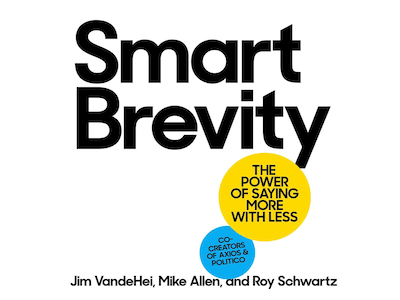
💡 Today’s Niblit: In “Smart Brevity: The Power of Saying More with Less” by Jim VandeHei, Mike Allen, and Roy Schwartz, we learn that great communication isn’t just about what you say — it’s about how you structure it for maximum impact and comprehension.
🔑 Key Insight: Smart Brevity has four core components that work together:
A muscular tease (6 words or fewer)
One strong first sentence
Context that explains “Why it matters,” and
The choice to “Go deeper.”
This structure guides readers through your message efficiently.
Think about how GPS directions work. They don’t overwhelm you with every possible route — they give you the next turn, explain why it matters (“fastest route”), and offer alternatives if you want them. This logical flow helps you process information without cognitive overload. Smart structure does the same thing for your communication, creating clear pathways for your reader’s brain to follow.
Why does this matter? Research shows people can only process about two pieces of information simultaneously. When messages lack clear structure, readers get lost in the details and miss the main point. But when you organize information hierarchically — most important first, context second, details available on demand — comprehension and retention skyrocket.
🦉 Nibble of Wisdom: Structure isn’t just about organization — it’s about respect for your reader’s mental bandwidth.
🛠️ Practical Tip: Use “Why it matters” as your go-to transition phrase (you may have noticed this is always the third paragraph in my Key Insight for every Niblit). Asking why it matters forces you to explain the significance of your information and helps readers understand its relevance to them.
🚀 Quick Action: Take your next important message and restructure it: Start with your key point, follow with “Why it matters,” then add supporting details. Notice how much clearer it becomes.
🔍 Further Exploration:
Pay attention to which emails you read completely versus which ones you abandon — what structural differences do you notice?
Consider how chunking theory explains why breaking information into smaller pieces improves understanding.
Notice how your favorite news sources structure their articles — what patterns help you quickly grasp the main points?
🎬 Wrapup: Remember, good structure isn’t about following rigid rules — it’s about creating a logical path that makes it easy for readers to follow your thinking and absorb your message.