Why Great Communicators Mirror More Than Just Words
Hi Reader,
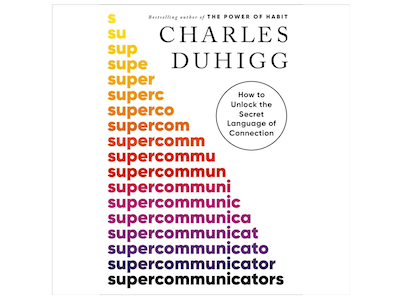
💡 Today’s Niblit: In “Supercommunicators,” Charles Duhigg says “the matching principle” is the most fundamental rule of effective communication. It’s not about copying what someone says, but aligning with how they think and feel in the moment.
🔑 Key Insight: Supercommunicators instinctively recognize which type of conversation is happening and adjust accordingly. When someone is being practical, they match that energy. When emotions surface, they respond emotionally. When social dynamics emerge, they navigate those waters skillfully.
Imagine a colleague approaches you saying, “I’m really struggling with this project deadline.” One response: “Have you tried breaking it into smaller tasks?” Another: “That sounds really stressful. Tell me what’s weighing on you most.” The first matches a practical conversation, the second an emotional one. The wrong choice creates disconnect; the right choice builds trust.
Why does this matter? Most communication failures happen not because we disagree, but because we’re having different types of conversations. When someone shares a feeling and we respond with facts, or when they want practical help and we offer empathy, we miss each other completely.
🦉 Nibble of Wisdom: “Communication requires recognizing what kind of conversation is occurring, and then matching each other.” —Chapter 1
🛠️ Practical Tip: Before responding in any conversation, pause and ask yourself: “Are they looking for solutions, support, or social connection?” Then match that need.
🚀 Quick Action: Think of a recent conversation that didn’t go well. Can you identify which type of conversation the other person wanted versus what you provided? How might matching their approach have changed the outcome?
🔍 Further Exploration:
Notice how the same words can mean different things depending on which conversation type is dominant. “I’m fine” might be practical information, emotional deflection, or social positioning.
Explore how conversational code-switching allows us to adapt our communication style to different audiences and contexts.
Consider how digital communication might make it harder to detect which type of conversation someone wants, and how you might compensate for this limitation.
🎬 Wrapup: The matching principle isn’t about losing your authenticity, it’s about becoming fluent in the language of connection. By learning to recognize and align with the conversation that’s actually happening, rather than the one we think should be happening, we transform from well-meaning communicators into true supercommunicators. Your words stay the same, but your impact multiplies exponentially.