Discover Why Traumatic Healing Should Include Your Body
Hi Reader,
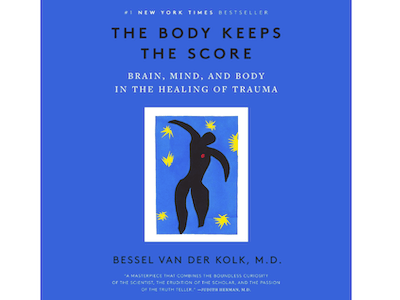
💡 Today’s Niblit: In “The Body Keeps the Score”, Dr. Bessel van der Kolk reveals that trauma physically imprints itself on your body’s systems. Traumatic experiences reshape not just thoughts but also your muscles, hormones, and even gut function, which explains why talk therapy alone often falls short.
🔑 Key Insight: Psychological trauma isn’t just stored in your mind—it’s woven into your body’s very physiology. Your muscles hold tension, your hormones maintain emergency patterns, and your nervous system stays on high alert long after danger has passed.
Think of trauma like a thunderstorm that affects an entire ecosystem, not just the sky. While the visible lightning (your conscious thoughts) might be what you notice first, it’s the unseen changes to the soil, water table, and animal behavior that continue long after the clouds clear. Similarly, trauma’s deepest impacts often hide in bodily systems that operate below conscious awareness.
This whole-body perspective changes our approach to healing. It explains why some survivors see little improvement with purely verbal approaches and opens doors to more effective treatments that engage the body directly in the recovery process.
🦉 Nibble of Wisdom: “After trauma, the body continues to defend against a threat that belongs to the past.” —Chapter 2.
🛠️ Practical Tip: Pair your talk therapy with at least one body-based practice—like gentle yoga, mindful walking, or progressive muscle relaxation—to release stored tension patterns.
🚀 Quick Action: Right now, pause for one minute to notice: Where in your body do you feel tense? Try gently tensing that area even more for five seconds, then releasing with a deep exhale. Notice the subtle shift. This simple practice begins reconnecting mind and body.
🔍 Further Exploration:
Reflect on physical sensations that arise when you remember stressful events. Do you notice patterns like tight shoulders, shallow breathing, or stomach discomfort?
Consider which physical activities make you feel most at ease in your body. These might hold clues to your personal path of body-centered healing.
Explore the concept of somatic experiencing and how it uses bodily awareness to resolve trauma responses.
🎬 Wrapup: Understanding that trauma lives in your body isn’t just a scientific insight—it’s an invitation to healing that includes your whole self. By engaging both mind and body, you can begin releasing what words alone cannot reach.