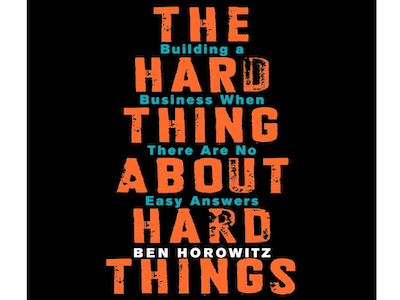
💡 Today’s Niblit: In “The Hard Thing About Hard Things,” Ben Horowitz emphasizes that the most challenging skill for a CEO to master is managing their own psychology. This internal struggle can make or break a company’s success.
🔑 Key Insight: CEOs face a unique psychological burden. They must maintain unwavering confidence in public while grappling with doubt, fear, and uncertainty in private. This constant tension can be exhausting and potentially destructive if not managed properly.
Think of a world-class athlete—an Olympic gymnast or a top golfer. On the surface, they make it look effortless, moving with grace, control, and complete composure. But beneath that calm exterior, they know one slip, one mental lapse, can result in failure.
These elite performers admit that the only way to silence the fear and self-doubt is by staying grounded, staying present, and working on their “mental game” just as much as their physical game. Tiger Woods once said, “You’ve got to stay patient, stay in the moment, keep grinding… you never know what can happen.” His success in high-pressure situations comes from this relentless focus, just as much as from his physical talent.
It’s no different for high-performing entrepreneurs and business leaders. The mental and emotional stamina they cultivate is what allows them to perform at the highest levels, despite the inner storm of pressure and uncertainty. This is the CEO’s daily reality — projecting stability and confidence while internally navigating a storm of emotions and decisions.
Why does this matter? Because a CEO’s psychological state directly impacts the entire organization. Their mood, decisions, and behavior set the tone for the company culture and can influence everything from employee morale to investor confidence.
🦉 Nibble of Wisdom: Your company’s success is often directly proportional to your ability to manage your own psychology.
🛠️ Practical Tip: Develop a personal “psychological maintenance” routine. This could include regular exercise, meditation, journaling, or conversations with a trusted mentor or therapist.
🚀 Quick Action: Identify your top three stress triggers as a CEO. For each, write down one healthy coping mechanism you can employ the next time that trigger occurs.
🔍 Further Exploration:
Reflect on a recent decision you made. How might your psychological state at the time have influenced that decision?
Consider the potential benefits of practicing mindfulness to improve your emotional regulation and decision-making skills.
🎬 Wrapup: Remember, managing your psychology isn’t about eliminating doubt or fear – it’s about learning to function effectively despite these feelings. By mastering this skill, you’ll not only become a better CEO but also a more resilient individual.