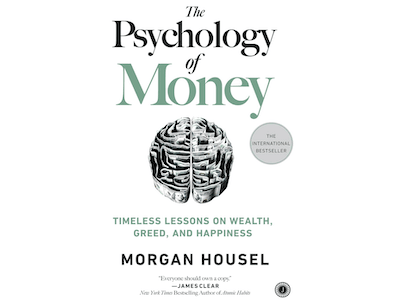
💡 Today’s Niblit: True wealth is often invisible, hiding in plain sight while we’re distracted by flashy displays of consumption. In “The Psychology of Money,” Morgan Housel reveals this paradigm-shifting insight that can transform your understanding of wealth and radically change your financial goals.
🔑 Key Insight: It’s not about the size of your house, the brand of your car, or the glitz of your lifestyle. Real wealth is what you don’t see: the investments quietly growing, the robust savings providing security, and the freedom to make choices without financial stress. This explains why some people with modest lifestyles are secretly millionaires, while others who seem rich are one paycheck away from financial disaster.
Imagine two icebergs. One is small but entirely visible above water, gleaming in the sun. The other is massive, but only shows a tiny tip above the surface. Which one has more ice? Wealth is like that second iceberg – its true size is hidden beneath the surface, invisible to casual observers.
Why does this matter? Because understanding this can free you from the trap of lifestyle inflation and the pressure to “keep up with the Joneses.” It shifts your focus from accumulating stuff to building real financial security and freedom. This mindset is the foundation of lasting wealth and true financial success.
🦉 Nibble of Wisdom: The richest person is not who has the most, but who needs the least.
🛠️ Practical Tip: Before making a major purchase, ask yourself: “Am I buying this to own it, or to be seen owning it?” If it’s the latter, consider investing that money instead.
🚀 Quick Action: Make a list of your “invisible assets” — things like your savings rate, investment accounts, or skills that could generate income. How can you grow these over the next year?
🔍 Further Exploration:
Research the concept of “stealth wealth” and why many millionaires choose to live below their means.
What small, invisible asset can you nurture today that will pay off in your future—be it your savings rate, investments, or even a new skill?
🎬 Wrapup: Remember, in the game of wealth, the most valuable moves often happen off the board. By focusing on building invisible assets rather than visible signs of affluence, you’re not just accumulating money — you’re cultivating true financial freedom.