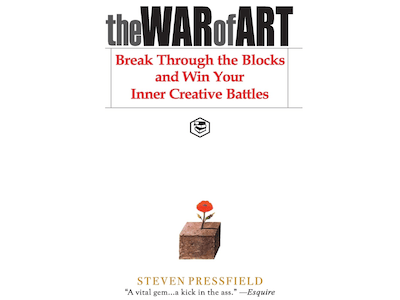
💡 Today’s Niblit: Pressfield shows in “The War of Art” that criticism and the artist have a complex relationship—one that can either destroy your spirit or forge you into an unstoppable creative force.
🔑 Key Insight: External criticism often mirrors the internal voice of Resistance, but learning to distinguish between constructive feedback and jealousy-driven attacks is crucial for artistic growth.
Picture criticism as a forge fire. The same heat that can melt weak metal also strengthens steel. Professional artists learn to extract useful information from criticism while letting the toxic elements burn away without touching their core creative identity.
This matters because how you handle criticism determines whether you’ll continue creating or retreat into safety. The ability to process feedback without losing faith in your vision is what separates professionals from amateurs who quit after their first harsh review.
🦉 Nibble of Wisdom:“The critic hates most that which he would have done himself if he had had the guts.” -Pressfield
🛠️ Practical Tip: Create a “criticism filter.” Before reading any review or feedback, set the intention to extract only what serves your growth and discard the rest.
🚀 Quick Action: Think of the harshest criticism you’ve received about your creative work. Write down one specific way it could make your next project stronger.
🔍 Further Exploration:
Notice your emotional patterns when receiving feedback—do you shut down or get defensive?
Explore the concept of negativity bias and how it affects your perception of criticism.
Practice the “reverse criticism” exercise: write a harsh review of your own work, then immediately counter each point with a defense. This helps you prepare for real criticism while building confidence in your artistic choices.
🎬 Wrapup: Remember, the goal isn’t to become immune to criticism but to become discerning about which voices deserve your attention. Keep creating. The world needs what you have to offer.