The Art of Recognizing and Overcoming Self-Sabotage
Hi Reader,
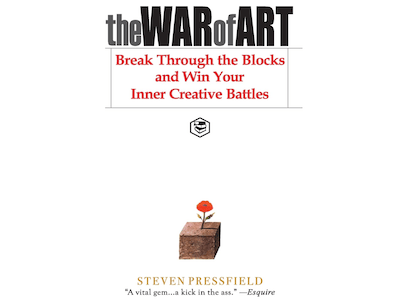
💡 Today’s Niblit: In “The War of Art,” Steven Pressfield shows how self-sabotage disguises itself as rational thinking, making it one of the most dangerous enemies of creative work.
🔑 Key Insight: Self-sabotage isn’t just procrastination or laziness—it’s a sophisticated defense mechanism that protects us from the risks of putting our true work into the world.
Think of self-sabotage as an overprotective parent who means well but ultimately holds you back. It presents seemingly logical reasons why you shouldn’t take risks: “You’re not ready,” “The timing isn’t right,” “You need more preparation.” These sound reasonable but serve only to maintain the status quo.
This matters because until we recognize our self-sabotage patterns, we remain stuck in a cycle of creative frustration, always wondering why we can’t seem to move forward despite our best intentions.
🦉 Nibble of Wisdom: The more reasonable your excuses sound, the more likely they are to be self-sabotage in disguise.
🛠️ Practical Tip: Keep a “sabotage diary” for one week. Record every excuse, delay tactic, and “reasonable” argument your mind creates to avoid doing your work.
🚀 Quick Action: Identify one “rational” excuse you’re currently using to avoid creative work. Challenge it by taking immediate action, no matter how small.
🔍 Further Exploration:
Examine your patterns of avoidance and when they typically occur.
Learn about self-handicapping and how it might be affecting your creative process.
🎬 Wrapup: Remember, recognizing self-sabotage is half the battle. Your excuses may sound rational, but if they’re keeping you from your work, they’re the enemy.