The Magic Triangle: Characters, Conflict, and Change
Hi Reader,
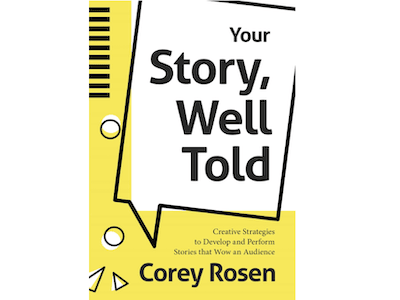
💡 Today’s Niblit: In “Your Story, Well Told,” Corey Rosen breaks down the fundamental building blocks that transform ordinary anecdotes into compelling stories. By mastering these core elements, you can craft narratives that captivate any audience.
🔑 Key Insight: Every effective story, whether it’s a blockbuster film or a dinner table anecdote, contains three essential elements: characters, conflict, and change. These components work together like a three-legged stool — remove any one leg, and your story collapses.
Characters are the heart of your story — they give the audience someone to relate to, root for, or learn from. Conflict provides the energy that moves your story forward — without it, you’re simply recounting events without tension or stakes. Change is the payoff — it shows how the experience transformed someone or something, giving meaning to all that came before.
Why does this matter? Understanding this framework gives you a diagnostic tool for your stories. When something isn’t working, you can check if you’ve developed compelling characters, established meaningful conflict, or demonstrated significant change. With all three elements working in harmony, even the simplest story can resonate deeply.
🦉 Nibble of Wisdom: “Without characters to care about, conflict to create tension, and change to provide meaning, you don’t have a story — you have a report.”
🛠️ Practical Tip: When developing a story, create a quick checklist: Who are my characters? What is the conflict? What changes by the end?
🚀 Quick Action: Take a story you tell often and analyze it using the character-conflict-change framework. Identify which element might be weakest and strengthen it with additional details or development.
🔍 Further Exploration:
Analyze a favorite movie or book through this lens. How do the creators develop characters, establish conflict, and reveal change?
Consider how you might apply this framework to a work presentation or personal anecdote you share regularly.
Explore cognitive narratology, which examines how stories engage our minds and help us make meaning of our experiences.
🎬 Wrapup: By consciously incorporating characters, conflict, and change into your storytelling, you create narratives that not only entertain but also engage, persuade, and inspire. This simple framework has powered stories from ancient myths to modern marketing — and it can transform your storytelling too.