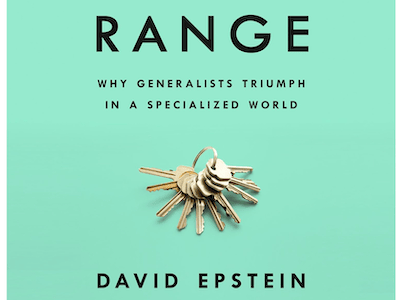
💡 Today’s Niblit: In “Range,” David Epstein challenges the idea that early specialization is the best path to success. Broad experience, experimentation, and adaptability lead to deeper expertise and stronger problem-solving skills. This is valuable for our own personal growth, but can also be useful when helping others find their footing—such as what I do as a marketing strategist and business coach.
🔑 Key Insight: Knowing your strengths isn’t enough—you have to use them. Tools like DISC, Kolbe, or Clifton Strengths can help identify natural talents, but real growth comes from testing them in different roles, challenges, and problem-solving situations.
Think of strengths like muscles. Leadership, communication, or strategic thinking may come naturally, but they still need reps to become second nature. Experimentation turns potential into real capability.
Why does this matter? Your best-fit role—your “swim lane”—isn’t always obvious. By applying strengths in new ways, you gain clarity on where you thrive and where you make the biggest impact.
🦉 Nibble of Wisdom: The best way to find where you belong is to test where you thrive. Growth comes from trying, adjusting, and refining—not just analyzing.
🛠️ Practical Tip: Instead of prescribing a role (“You’d be best at this…”), I encourage clients to experiment. I challenge them to step into different capacities — mentoring, strategy, execution — and reflect on what feels energizing vs. draining. Their swim lane reveals itself through action. You can apply the same approach even if you’re not a coach. Give yourself permission to test different roles and pay attention to what sparks the most engagement.
🚀 Quick Action: Ask yourself (or your clients if you’re a coach): “Where have you felt most energized in the past month? What tasks or roles did you naturally lean into?” The answers often point to where you should double down.
🔍 Further Exploration:
How do strengths change or grow over time with use and experience?
Are there strengths you/your client hasn’t fully tested yet?
Read more about:
Clifton Strengths(StrengthsFinder) focuses on identifying natural talents—recurring patterns of thought, feeling, and behavior that can be productively applied. It highlights what you do instinctively well.
DISC assesses behavioral tendencies—how you naturally respond to challenges, people, tasks, and procedures. It’s more about interaction style than innate talent.
Kolbe measures natural problem-solving instincts—how you take action when left to your own devices. It doesn’t predict skills but reveals your innate way of approaching work.
🎬 Wrap-up: Finding your swim lane isn’t about rigid labels—it’s about exploring how your unique mix of strengths, experiences, and interests (your “Range”) come together in real-world challenges. Whether you’re applying this to yourself, refining your role within a team, or guiding others as a coach or leader, the key is experimentation. Strengths aren’t just meant to be identified—they’re meant to be tested, stretched, and put into action.